How to Start Buying Football Cards in the UK: A Beginner's Guide
Understanding the Basics of Football Card Collecting
Football card collecting has grown into a popular hobby across the UK. Whether you are drawn to the nostalgia of childhood packs or the thrill of chasing rare modern hits, getting started is easier than you might think. The first step is understanding what you are buying. A single card is exactly that: one card, often sold individually. A sealed box contains a set number of packs from a specific release. Then there are repacks, which are pre-assembled selections of cards sold as a single item. Repacks are a common entry point because they offer variety at a known cost. They can include a mix of commons, semi-rare cards, and sometimes a guaranteed hit. The key is knowing what type of repack you are buying and what the checklist says about the cards inside.
Before you spend any money, take a moment to learn the main brands and sets. In UK football, the biggest names are Topps (with its UEFA and Premier League licences) and Panini (which covers Serie A and other leagues, though their UK football presence is smaller). Each year brings a new base set, plus insert cards, parallels, autographs, and memorabilia cards. The checklist for a set tells you exactly which cards exist and how rare each one is. That checklist is your map. Without it, you are guessing at value and rarity. Beginners often overlook this, but it is the single most useful tool for making informed purchases.
Step 1: Decide on Your Budget and Goal
Football card buying can range from a few pounds for a single repack to hundreds for a sealed box. Decide how much you are comfortable spending in a session or a month. A clear budget stops you from chasing losses or overextending. Also decide what you want from the hobby. Are you collecting a full set? Chasing a specific player or team? Looking for cards to trade or sell? Or just enjoying the opening experience? Each goal changes what you should buy. A collector after a complete set will want sealed boxes or singles from that set, not mixed repacks. A casual fan who enjoys surprises might prefer repacks because they bundle several cards in one go. A trader or seller will focus on market value and known hits. Write down your goal and stick to it for a few purchases. This discipline helps you avoid impulse buys that do not serve your plan.
Step 2: Learn Where to Buy
In the UK, you have several options for buying football cards. Online marketplaces like eBay are the most common, but they require caution. You can also buy from dedicated card shops, both physical and online. Many UK-based sellers run live streams on platforms like Whatnot, where you can watch packs or repacks being opened in real time. Live shows let you see the exact cards being sold, ask questions in chat, and often get a better sense of the seller's reputation. A site like Craig Cam Cards, for example, offers live Whatnot repacks and collecting guidance, so you can watch the action before you bid. Another option is to buy directly from retailer websites that specialise in trading cards. The advantage there is fixed pricing and no auction pressure. Whichever route you choose, check the seller's feedback, read recent reviews, and look for clear photos of the product. If the listing uses stock images, ask for real pictures. A seller who cannot or will not show the actual item may be hiding damage or a resealed package.
Step 3: Check Card Condition and Packaging Integrity
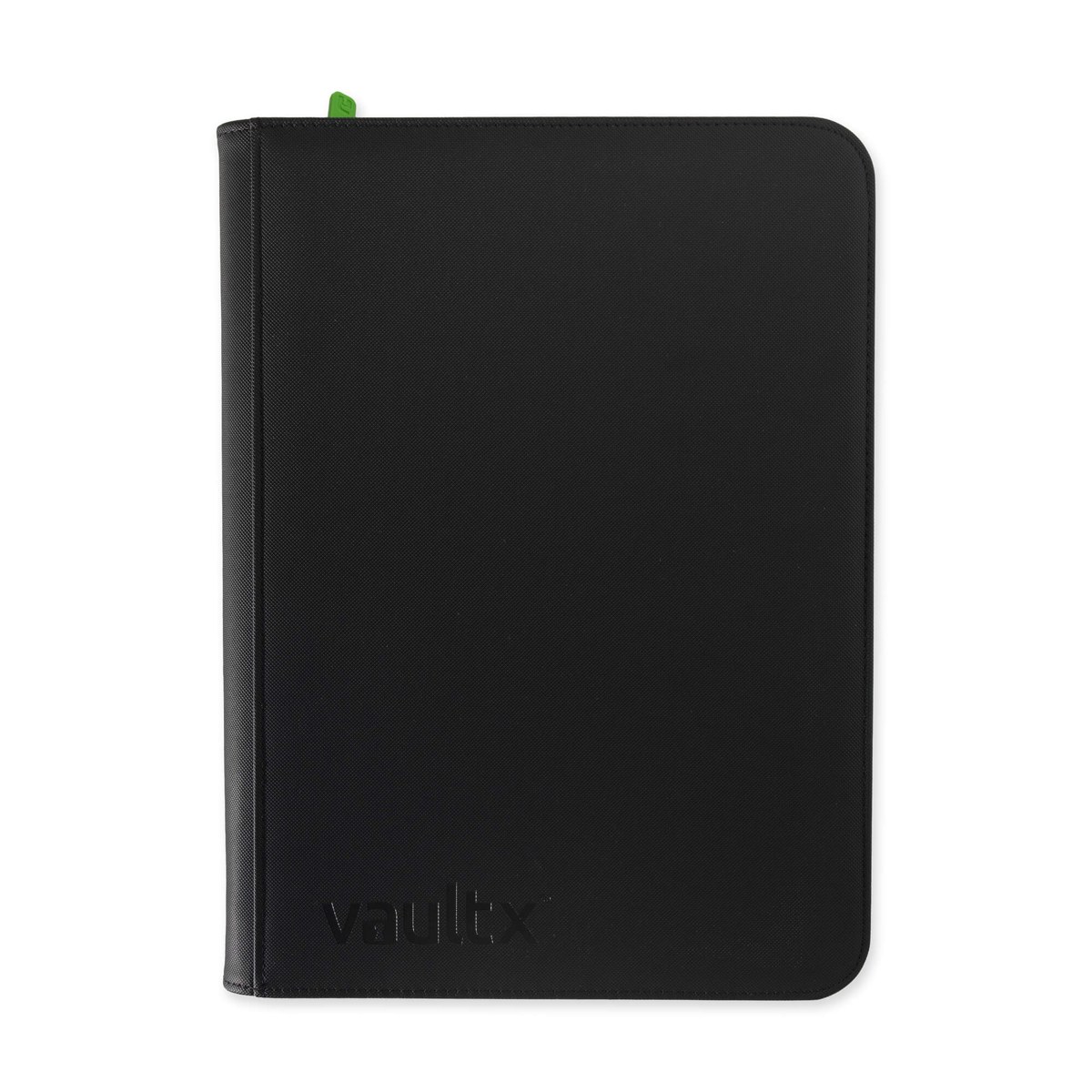
Card condition is everything in this hobby. A card that looks pristine in a photo can arrive with a dented corner, a scratch on the surface, or a crease through the middle. Always ask about condition before you buy. Sellers usually describe condition as "mint", "near mint", "excellent", "good", or "played". Mint means no visible flaws. Near mint allows tiny imperfections. Anything below that has noticeable wear. For repacks, condition can vary because the cards come from different sources. A reputable seller will tell you the general condition of cards in a repack. Look for sellers who grade the cards or at least check them before packing. Also inspect the packaging itself. A sealed box should have intact factory wrap. A repack should be in a clear, sealed bag or box that shows no signs of tampering. If the seal looks broken, the wrap is wrinkled, or the box has been opened before, walk away. Resealed packaging is a known problem in the UK market, especially for high-demand items. Trust your eyes. If something feels off, it probably is.
Step 4: Understand Market Value and Pricing
Market value is what a card actually sells for, not what a seller asks. To gauge value, check sold listings on eBay or dedicated card price guides. Look at the last few completed sales for the same card in the same condition. Ignore outliers: a card that sold for ten times its usual price was likely a bidding anomaly or a one-off. For repacks, the value is in the bundle. A good repack costs less than the combined market value of its cards. A bad repack costs more than the cards are worth. The seller's reputation and the transparency of the checklist matter here. A seller who lists the exact cards in a repack, or at least the set and year, is giving you a fair chance to judge value. A seller who only says "mixed football cards" is asking you to gamble. As a beginner, avoid mystery repacks unless you are happy to treat them as a fun gamble with no expectation of value. Over time, you will develop a feel for fair pricing. Start with small purchases until you do.
Step 5: Watch for Red Flags
Several warning signs should make you pause. One is a seller who posts blurry or dark photos. Another is a seller with few reviews or a history of negative feedback about packaging. A third is a price that seems too good to be true. Rare cards are rare for a reason. If a repack claims to include a high-value hit for a fiver, it is almost certainly a fake or a damaged card. Also watch for sellers who rush you. A seller who pressures you to buy now, or who says the item will not be available later, is trying to short-circuit your judgment. Legitimate sellers let you take your time. Another red flag is a seller who does not answer questions about condition or checklist. If they ignore direct questions, assume the worst. Finally, be wary of sellers who use stock images from the manufacturer. Stock images do not show the actual card you will receive. A seller who only uses them may be hiding something. Your best protection is to buy from sellers with a track record of honest descriptions. A site like Craig Cam Cards that focuses on transparent live openings and clear checklists is a safer starting point than an anonymous online marketplace.
Step 6: Consider Shipping and Handling
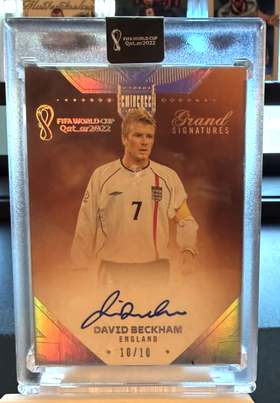
Shipping is not just an afterthought. In the UK, most card sellers use Royal Mail or a courier service. A single card can be sent in a plain envelope for a low cost, but that offers no protection. For any card worth more than a few pounds, insist on a rigid cardboard mailer or a small box with bubble wrap. Toploaders and team bags are standard for single cards. Repacks often come in a box or a padded envelope. Ask the seller how they pack items before you pay. A seller who uses flimsy packaging is risking damage in transit. Also factor in shipping costs when comparing prices. A cheap repack with high shipping can end up costing more than a slightly more expensive one with free shipping. Check the seller's shipping policy: do they combine shipping if you buy multiple items? Do they offer tracking? For high-value purchases, tracking and insurance are worth the extra cost. Remember that you are paying for the card and for the care that goes into getting it to you safely.
Step 7: Build Your Knowledge Over Time
The learning curve is real, but it is also enjoyable. Start by following a few UK football card communities. Social media groups on Facebook, Reddit (r/footballcards), and dedicated forums are full of experienced collectors who share tips, warn about bad sellers, and post their own hits. You can also watch live openings on Whatnot or YouTube to see real pulls and hear commentary. Over time, you will learn which sets hold value, which players are trending, and which sellers are trustworthy. Keep a simple spreadsheet of your purchases: what you paid, what you received, and what you think the cards are worth. This habit will show you whether your buying strategy is working. It also helps you spot patterns. For example, you might notice that you have better luck with repacks from a certain seller, or that sealed boxes give you more duplicates than you want. Adjust your approach based on your own data, not just on hype. The most important thing is to enjoy the process. Football card collecting is a hobby first. If you stop having fun, step back and refocus on what drew you in.
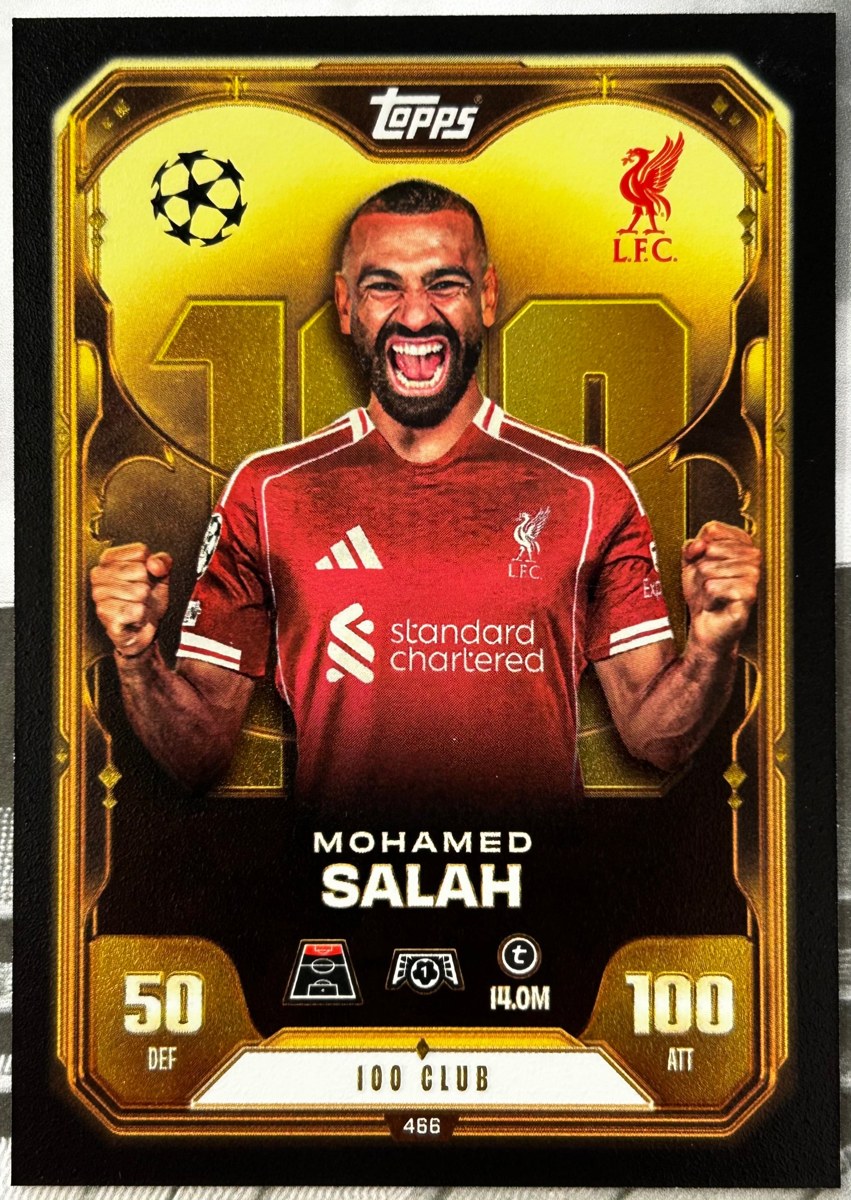
Starting your football card collection in the UK does not require a big budget or deep expertise. It requires patience, a willingness to learn, and a healthy dose of scepticism. Stick to reputable sellers, check condition and packaging, understand what you are buying, and let your own goals guide your purchases. With each small step, you will build the confidence to explore deeper into the hobby. And when you find that first card that makes you smile, you will know it was worth the effort.